
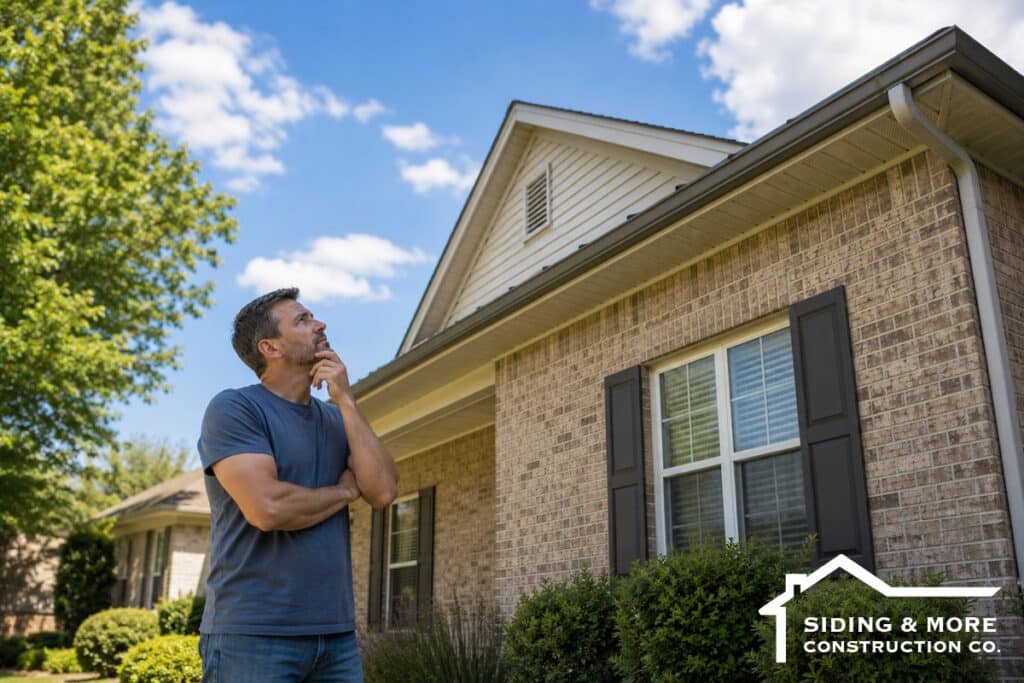
If you have ever looked up at the edge of your roof and wondered what those pieces along the roofline are called—or why they matter—you are not alone. Many homeowners in the Dallas area are not familiar with soffit vs fascia or the role they play in protecting your home. After all, when people think about roofing, their attention usually goes straight to the roof itself—and the shingles that cover it. The components along the edge rarely get a second thought; that is, until they start causing problems. That is when people realize how important these components are in protecting their homes from heat, moisture, pests, and structural damage.
That is especially true in North Texas, where Mother Nature seems to be as unpredictable as ever. In this guide, we will break down what soffit and fascia are, their unique roles, how they work together, and when it is time to consider soffit or fascia repair in Dallas. Trust us when we say you do not want to overlook these critical parts of your roof.
Soffit vs Fascia at a Glance
What is the difference between soffit and fascia?
- Soffit is the horizontal material underneath the roof overhang that provides attic ventilation and helps keep moisture and pests out.
- Fascia is the vertical board along the roof edge that supports gutters and protects the roof structure from water intrusion.
- Together, soffit and fascia help improve ventilation, prevent rot, reduce pest entry, and extend the life of your roof system.
If either component becomes damaged, prompt repair can help prevent more expensive structural repairs later.
Soffit vs Fascia — What’s the Difference?
Before diving into the details, it helps to understand the basic difference between soffit vs fascia. These two components sit along your roofline and work together to protect your home from moisture, pests, and long-term damage. While they are often mentioned together, each one plays a distinct role in keeping your roof and attic functioning properly.
SOFFIT
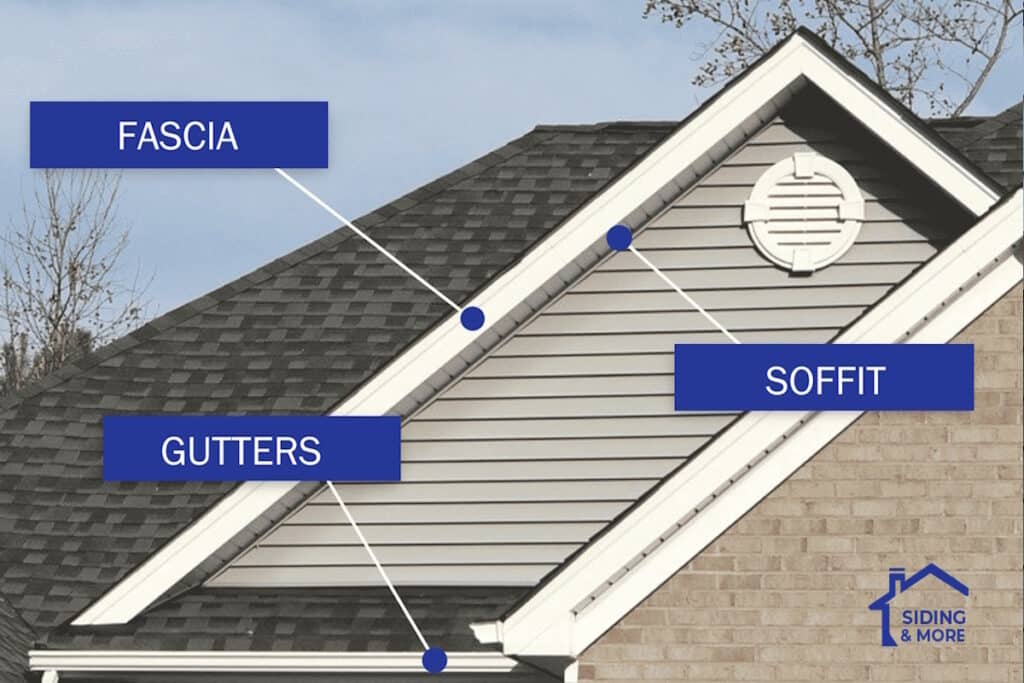
This is the material located underneath your roof’s overhang. If that is hard to visualize, step outside for a second and look up at the part of the roof that extends past the wall. The horizontal panel that closes off the underside of that overhang is the soffit. Instead of leaving the rafters exposed, the soffit creates a smooth, finished surface that extends from the outer edge of the roof to the exterior wall.
It ultimately serves a few purposes:
- Allowing airflow into your attic
- Preventing heat and moisture buildup
- Keeping pests like birds, squirrels, and insects out
- Reducing the risk of mold and rot
Soffits (especially vented soffits) help prevent condensation and moisture from building up in the attic. From an aesthetic perspective, soffits create a seamless transition from the underside of your roof to your home’s siding.
Did You Know: According to the U.S. Environmental Protection Agency (ENERGY STAR), a well-ventilated attic helps move super-heated air out of the attic during summer while removing excess moisture. Proper soffit ventilation helps protect roofing materials and contributes to a healthier, more energy-efficient home.
FASCIA
The fascia is the long, straight board just beneath the edge of your shingles, running horizontally along the roofline. It supports gutters, protects the roof structure from water damage, and provides a clean, finished look. The fascia serves several important purposes:
- Supporting and stabilizing your gutter system
- Acting as a barrier between the roof and outdoor elements
- Helping prevent water from entering your roof structure
- Because gutters attach directly to the fascia board, damaged fascia can cause gutters to sag, pull away from the home, or fail to direct water safely away from the foundation.
Why Is Maintaining Soffit vs Fascia Important?
Homes in North Texas face a unique combination of environmental challenges. That is why maintaining your soffit vs fascia is not just cosmetic—it is essential. Here are a few reasons why:
- Extreme Heat and Attic Ventilation — Dallas summers are no joke. Without proper soffit ventilation, heat can build up in your attic and increase cooling costs, warp roofing materials, and reduce HVAC efficiency. Well-installed soffit helps regulate attic temperature and improves overall energy efficiency.
- Storm and Hail Damage — Severe weather, including hailstorms and high winds, can damage fascia boards and loosen soffit panels. Even minor damage can create openings for water infiltration. Over time, this can lead to wood rot, mold growth, and structural weakening.
- Moisture and Humidity Control — While Dallas is not as humid as coastal areas, seasonal moisture can still cause problems—especially if ventilation is poor. Soffit helps release trapped moisture, preventing condensation buildup, mildew and mold, and insulation damage.
- Pest Prevention — A damaged or missing soffit is one of the most common entry points for pests. Birds, rodents, wasps, and insects can easily nest inside your attic if gaps are present. Fascia and soffit together seal your roofline and help keep unwanted visitors out.
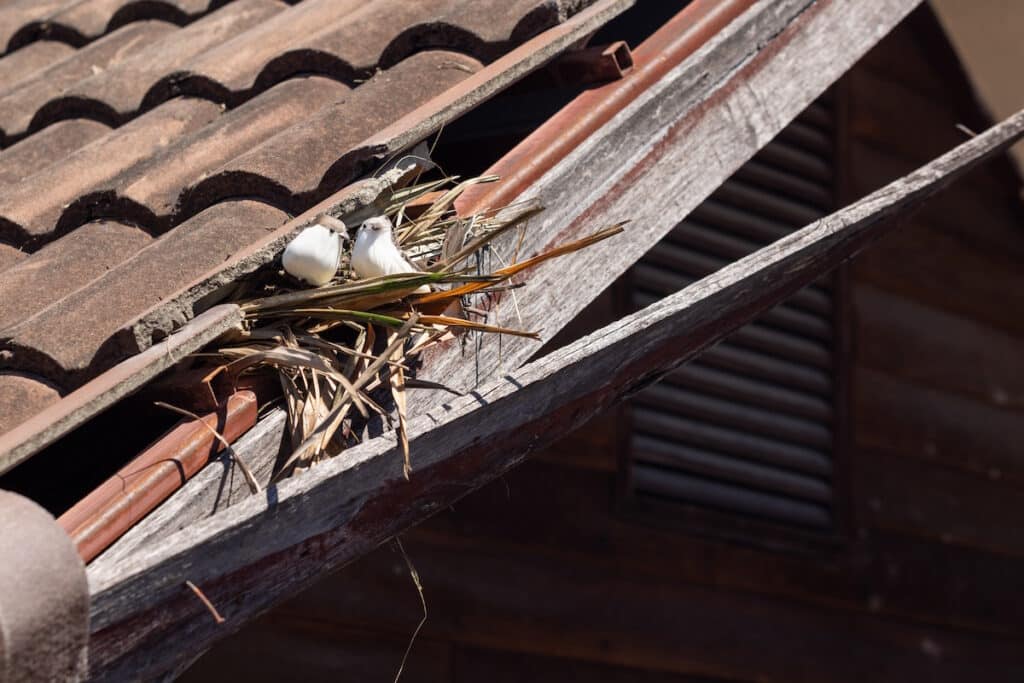
Did You Know: The U.S. Environmental Protection Agency (ENERGY STAR) cautions homeowners never to block soffit vents with insulation. Restricted airflow can trap heat and moisture in the attic and may even cause powered attic fans to pull conditioned air from inside the home, reducing energy efficiency and increasing cooling costs.
Signs You Need Soffit vs Fascia Repair in Dallas
Still unsure if your home needs attention? Here are the most common warning signs of soffit vs fascia repair.
- Visible damage — Cracks, holes, missing panels, or warped boards.
- Water issues — Stains near the roofline, detached gutters, or signs of rot or soft wood.
- Ventilation problems — High energy bills, a hot or stuffy attic, or mold and mildew.
- Pest activity — Birds, rodents, or insects entering your attic.
Did You Know: The U.S. Department of Housing and Urban Development notes that attic ventilation is recommended primarily for moisture control, energy conservation, and protecting roofing materials from premature deterioration. Damaged soffit or fascia can interfere with proper ventilation, allowing moisture and heat to build up and potentially leading to more expensive repairs over time.
Repair or Replacement: What’s the Right Choice?
One of the most common questions homeowners ask is whether they need a simple repair or a full replacement for their soffit and fascia. Repairs are usually sufficient for minor damage, such as minor cracks or holes, isolated water damage, or loose sections that can be resecured. Repairs are typically faster and more affordable, especially when caught early. Replacement, on the other hand, is necessary when the damage is extensive.
This includes widespread rot or mold, structural weakening of fascia boards, damage across multiple areas, or aging materials that are no longer durable. In these cases, investing in new soffit and fascia installation can save money in the long run by preventing more serious issues.
Early Warning Signs Checklist: 5-Minute Roofline Check
- Peeling paint near the roof edge
- Loose or sagging gutters
- Cracked or missing soffit panels
- Soft or rotting wood around the eaves
- Birds or squirrels entering the attic
- Water stains beneath the roofline
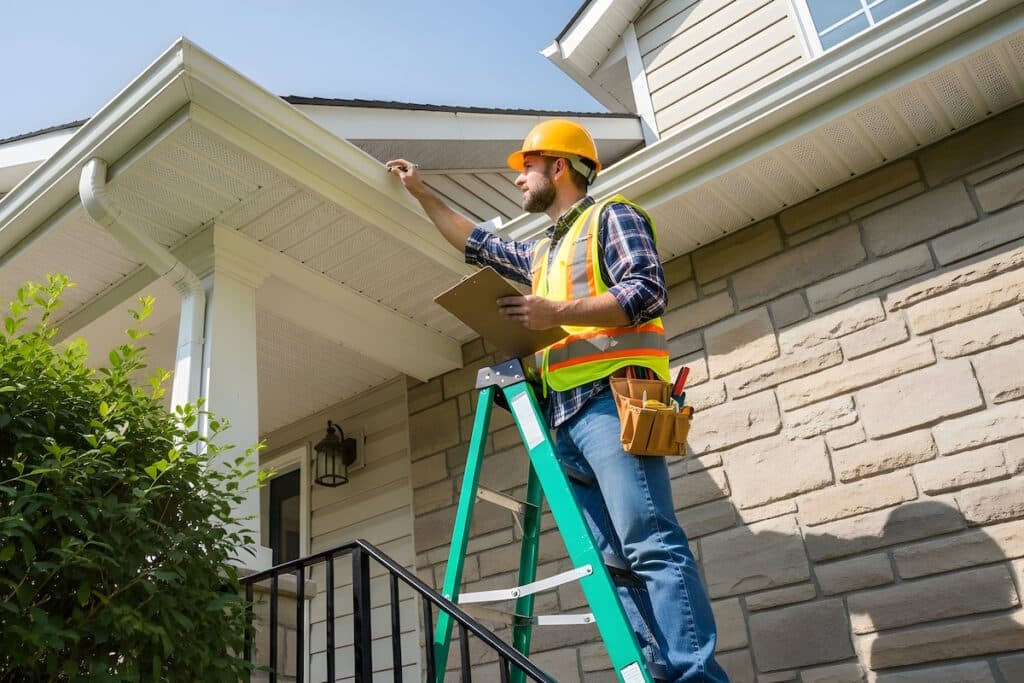
Homeowner Maintenance Tip: For Dallas homeowners, it is a good idea to inspect your soffit vs fascia at least once a year, after major storms or hail events, or when cleaning gutters. Routine inspections can catch small issues before they turn into expensive repairs.
Benefits of Hiring a Professional for Soffit vs Fascia Repair or Replacement
While some exterior repairs can be DIY-friendly, soffit vs fascia work is best left to professionals. Here iss why:
- Proper Ventilation Design — Professionals ensure your soffit system is correctly vented to meet your home’s needs.
- Structural Integrity — Fascia boards must be installed securely to support gutters and withstand storms.
- Seamless Integration — A professional team will match your soffit vs fascia with your existing siding and roofline for a cohesive look.
- Long-Term Protection — Quality installation reduces the risk of future repairs and extends the lifespan of your roof.
Professional Tip: Homeowners often focus on replacing shingles after a storm, but experienced exterior contractors know that damaged soffit and fascia can allow hidden moisture intrusion that isn’t immediately visible. Inspecting the entire roofline helps identify problems before they become major repairs.
Rely on Siding and More Construction Company for Your Soffit vs Fascia Repair
Soffit vs fascia may not be the most visible parts of your home, but they are among the most important. From improving ventilation to preventing water damage and pest intrusion, they play a vital role in your home’s health and longevity. If you have noticed signs of damage—or simply have not had your roofline inspected in a while—it may be time to explore professional soffit vs fascia services in Dallas TX. Taking care of these components now can help you avoid costly repairs and keep your home looking and performing its best for years to come.
Modern soffit and fascia systems are available in wood, aluminum, engineered materials, and low-maintenance vinyl. Many North Texas homeowners choose vinyl because it resists rot, insects, and moisture while requiring very little upkeep, making it well suited for the region’s intense sun and seasonal storms. Whether you live in Plano, Richardson, Allen, McKinney, Frisco, Garland, Rockwall, or elsewhere in the Dallas area, routine soffit and fascia maintenance can help protect your home from North Texas weather.
At Siding and More Construction Co., we offer a range of soffit and fascia options designed to withstand the unique Texas climate. More importantly, we do things the right way. That includes ensuring our customers choose the most appropriate materials for their style, taste, and home needs, and then follow up with precise installation techniques so that the job is done correctly the first time. Investing in high-quality materials for your Dallas home provides a durable, low-maintenance, and aesthetically pleasing exterior.
Ask us for a consultation and to discover how we can enhance your home’s exterior. To get started, call us today at 972-636-3513 or contact us for a free estimate with the form below.
"*" indicates required fields
Siding and More Construction Company serves the North Texas area including these cities in the Greater Dallas metroplex and more: Addison, Allen, Arlington, Canton, Carrollton, Cedar Hill, Dallas, Desoto, Duncanville, Farmers Branch, Forney, Garland, Greenville, Lancaster, McKinney, Mesquite, Plano, Richardson, Rockwall, Rowlett, Irving, Terrell, Royse City and nearby areas.
*Customer names and/or photos may be changed to protect privacy.